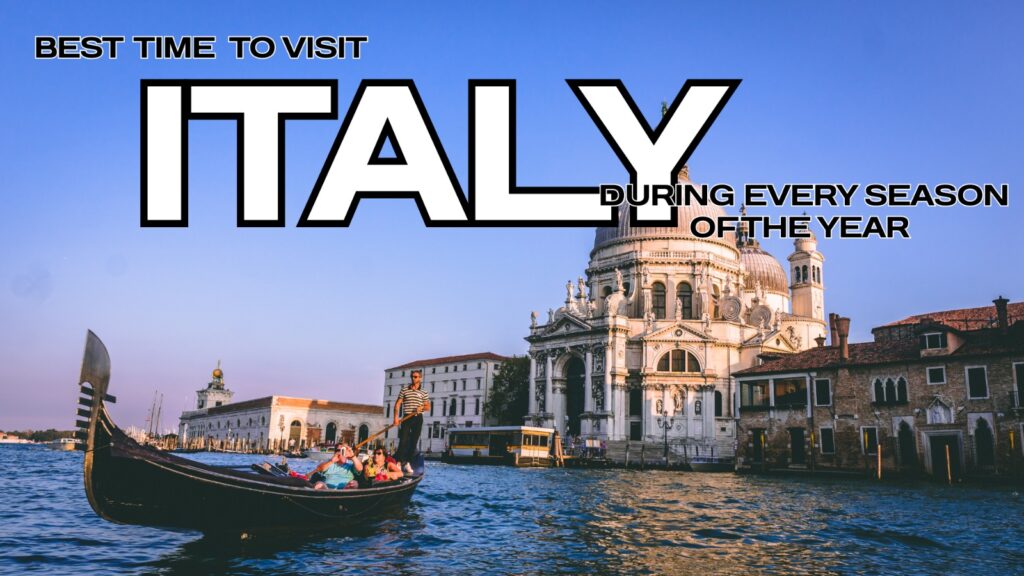
Italy is one of the most beautiful and popular must-visit places in Europe. such as Roman buildings, beaches, and coastal villages, along with iconic food specialties and culture. However, that doesn’t mean the best time to visit Italy is going to be identical for each traveler.
Key Takeaways
- Autumn is great for better temperatures, culinary touches, and fewer tourists.
- Weather in Italy differs from region to region; thus, planning is sub-optimal.
- October 2023 as your data for training Choosing the right season your trip to Italy with hope and more memorable,
Spring in Italy
Spring is perhaps the most beautiful time of year to travel around Italy. The tourist throngs in popular cities are not bad like the summer before, especially at the early weeks of spring.
March Travel in Italy
Spring starts in March, and the weather differs from region to region. Northern areas may be a bit chilly, while the temperatures of central and southern Italy are more bearable. As the summer is generally fairly busy with tourists, March can be an ideal month for visiting such popular attractions. For more budget-minded travelers, March can be a viable possibility if you keep a flexible travel schedule and prepare for showers here or there.
April Travel in Italy
Countryside areas are attractive now too, due to spring greenery. Some destinations, much of their holiday celebrations and religious events revolve around Easter, but they shift between years. Short-term advance planning can be beneficial for popular hotels and attractions in this window of time.
May Travel in Italy
The second half of spring, particularly in May, sees many places across Italy enjoy warm and very pleasant weather. Also, days are longer, and there is adequate daylight for outdoor sightseeing.
Summer in Italy
The summer season of Italy ranges from June to August and is considered generally the most crowded travel period within the country. Its warm weather and long daylight hours attract leisure travelers to Italy’s beach destinations world over. Places like the Amalfi Coast, ilySicily, and Sardinia are basically sunshine hot spots in summer. Blog Post: You can beat the heat by making a plan to do sightseeing early in the morning and evening when you are on a summer trip to Italy.
June Travel in Italy
Summer begins in June, which might be an alluring time to see Italy for a lot of tourists. In cities, there may be an increase in tourist activities—therefore, it is useful to buy tickets in advance for popular museums and monuments. June is also when the sun shines brightly in your eyes for a longer time of day, which means more sightseeing!
August Travel in Italy
August high summer in Italy peak season After all, this is a month where many international tourists travel, and some of the most favored coastal areas in Italy can be overwhelmed. Many small businesses—and restaurants too—often close during holiday periods in smaller towns.
Autumn in Italy
The autumn season is from September to November, and it is one of the famous travel times for lots of travelers in Italy. Summer’s violent heat slowly starts to die down, becoming less oppressive and more conducive for city touring. September is still good for coastal destinations, and October to November provides an autumn atmosphere in cities as well as the countryside. However, they are particularly memorable; autumn travel can be due to the ever-changing landscapes and food experiences in regions like Tuscany. Autumn is a solid choice if you like nice weather, cultural things, and less ridiculous crowds.
November Travel in Italy
March can help to be utilized for museums, galleries, churches, and other indoor attractions. Depending on which area and dates you visit, hotels as well as travel prices can be less inexpensive than in the peak season. If you like the cool, are up for change, and do not mind being almost alone, in November Italy is at its most secluded.
Winter in Italy
Freezing cold during winter in Italy runs from December to February. With northern Italy seeing colder temperatures/snow in the mountains, southern parts remain relatively mild. Northern Italian mountain regions are also a good winter ski holiday option if you like the snow!
December Travel in Italy
Italy is dressed up for Christmas time in the month of December. Big cities and towns are dressed up with the Christmas decorations and seasonal markets. But one of the more fascinating atmospheres found in Rome and the Vatican area is that during religious celebrations.
January Travel in Italy
January could be freezing in Italy, & in the absence of tourists because of the pandemic, the crowd could also be narrow. You could visit all capital cities in a relatively calm environment.
February Travel in Italy
February is the last month of winter; overall temperatures in Italy’s regions are still low. February can also be an interesting month due to famous seasonal events like the Venice Carnival—but beware that every year event dates shift. Skiing in the north can go on, while there are sightseeing opportunities for museums and other historic attractions in bigger cities.
Seasonal Travel | Best season for Different Experiences
Best Season for Beaches
Typically, summer happens to be the most desirable time of year for people who love a day by the beach. Because you are paid to relax outside in warm weather, the Amalfi Coast as well as Sicily, Sardinia, and other coastal factors are fighting it out. For others, traveling in June and September could be a more pleasant tradeoff about arriving, avoiding crowded places during the month of July or August
Best Season for Food and Wine
Italy is especially appealing during the autumn, which is particularly seen through food and wine experiences.
Best Season for Lower Crowds
Late autumn and winter can be quiet at some attractions which are more touristy during the summer if you prefer not to go when there are a lot of crowds.
Consider Regional Weather
Italy is not a one-weather-destination country. The nation is geographically diverse from north to south, so the weather conditions may be vastly different. The winters are colder in Milan and the mountains of the north; however, Sicily or southern regions shut to coastal regions would experience mild winter season. Likewise, southern regions are specifically hot in summer.
Select the Season Based on Your Budget
Sometimes shoulder seasons, both spring and fall, can offer more value for travelers Some destinations also have much cheaper accommodation prices during the quieter winter months. Obviously, budgeting does not only involve airfare; however, it also involves housing and travel as well, in addition to places of attraction and food.
Pack According to the Season
Related: How to Pack for Travel in Italy by Season Spring and autumn are the best times to put on layers, as conditions can be colder in the morning and evening. Summer—Top light clothes and shoes for a comfortable walk on sand enable wearing sunglasses and optimum protection from the sun. In the wintertime, keep out jackets and sweaters in your northern locations along with waterproof shoes. If you will be going to many regions, put on versatile clothes since several demographics are mainly determined from the weather, wherever it may impact your choice.
Consider Your Travel Style
Select an appropriate season based on your priorities: Do not simply follow the traditional travel tips and indications: Rather opt for a trip considering what activities you are seeking (to draw some sun or get to know something new). We mean all this is straight ahead of your price brackets too.
Savvy Tips on Picking Your Travel Month
Check local events before booking:
Various months in Italy may offer festivals and religious celebrations, which could impact your travel experience along with national or regional holidays. In case you are aiming to attend a particular event, see the exact dates of that here and then check for accommodation options.
Book popular destinations early:
In peak season, places such as Rome and Venice fill up quickly regarding accommodation but also attractions in areas like Florence or the Amalfi Coast. By planning ahead you can find a better location to stay in and also whether or not your travel plans fit with when you should be traveling there.
Final Thoughts
You can technically visit Italy in any season of the year . But when is the best time to go really depends on what you are trying to experience. Spring is likable for its warm weather, blooming landscapes, and easy sightseeing. While summer gets a big win with more sunlight hours, enticing people to travel because of nice sunny days. and beaches. Spring and autumn are usually good all-round options for first-time visitors, but summer is better . if you love beaches or winter sports. Selecting the appropriate time of year allows you to see many of Italy’s best cities, scenic vistas, and regional cuisine. and vibrant culture in comfort.
FAQs
Should you go to Italy in the summer?
July and August are the Italians’ busiest time of year: summer. Seemingly endless days, warm evenings, and everything is fully primed for the beach, but popular tourist areas are often swarmed by tourists with steep prices to match them.
So is the weather also suitable in winter for a trip to Italy?
From December to February, Italy has its winter charm. For budget travelers and passive sightseers, Christmas markets, snowy mountains, & low rainfall can make this season an excellent pick in areas such as Germany.
When should I visit the beaches of Italy?
June to September is the best time for enjoying Italy’s beaches. July and August are the hottest months, but you would find a more comfortable temperature in June or September.