Italy is among the most sought-after destinations to travel to in Europe. Every year, millions of tourists from across the globe travel to Italy for its ancient history, beautiful architecture, great food, and so on, as well as famous cities with glimpses into breathtaking landscapes. Whether it be Rome’s ancient ruins, Florence’s Renaissance art, or the canals of Venice, Italy has a unique travel experience for every type of traveler. A little preparation can go a long way when planning your first trip to Italy. For first-time travelers, the country can be a lot to handle, particularly if you’re trying to navigate multiple cities/transportation/hotels/sights/local practices all in one round. This guide will cover Italy travel hacks you need to know before vacationing in the magical place that is Italia so you can plan your trip smarter while staying away from unnecessary confusion and enjoying visits like a pro!
Pianificate in anticipo il viaggio in Italia
But you need to create a basic travel itinerary before going to Italy. Start with what cities you need to see and how many days in Italy you want. Rome, Florence, and Venice are the most common first-timer cities; however, if you have additional time, you may choose to consider the following: Milan, Naples, Tuscany, Cinque Terre, or Amalfi Coast. In your trip planning, include the travel distance and transportation time. It’s not enough to just list it, because traveling from one city to another also takes time. An itinerary that is too ambitious tires you and does not allow you to experience all the destinations in their maximum splendor.
Choose the Right Season
Italy is a year-round destination, with plenty to see and do in every season. In spring, it is surely nice; cities and fields look fresh and colorful. Indeed, autumn can be by far the easiest season, with a sense of shifting climate and wonderful views. Summer is the busiest travel season in Italy, with visitors forming large crowds at popular destinations. They also tend to be high temperatures, especially in southern regions. Although the tourist crowds might be relatively fewer in winter, the weather is colder, and some attractions may have a change in opening hours. The weather should be only one consideration when picking travel dates alongside budget, crowds, and activities.

For first-time travelers to Italy, traveling by train between the major cities may be an extremely favorable option. They are well-connected to major cities such as Rome, Florence, Venice, and Milan through strong rail services. Irrespective of being long-distance trains, high-speed ones can provide an agreeable speed to allow one traveling on them to make a long journey in good comfort within hours. Localized Transport Accessibility: In Rome, the metro and buses help; Florence’s historic center is largely walkable, while in Venice, walking (plus waterbuses and other quaint water transport) is more important. Before using public transport, it is helpful to know the local ticketing system and validation rules.
Train Travel in Italy
If it is your first time visiting Italy, taking a train between major cities such as Florence and Venice is a super easy option. There are solid rail links between Rome, Florence, Venice, and Milan. Our high-speed trains can travel long distances radially and make the journey enjoyable. If you are a tourist in Italy, traveling by train could be one of the easiest and most reliable ways to go places.
High-Speed Train Experience
Italy cuts travel time between its cities with high-speed trains. These are comfortable seating and modern amenities. They are suggested to be the preferred option for long expeditions. It allows guests to see more in less time.
City Transportation Options
Being Italian, I realize that transportation in every city depends on where you are. In Rome, public transport is handy with the metro and buses for daily travel. Florence’s historic city center is largely pedestrian-friendly. To walk is a key way of getting around in Venice as well, together with water buses and water transportation.
Benefits of Public Transportation
Italy is easy to get around with public transport. Visitors can meander through local areas. This will help mitigate parking and traffic problems. The Italian travel experience is complemented by public transportation.
Travel Light
You are given only until October 2023 to learn how to haul heavy bags when visiting different cities in Italy. You will have to carry your bags through train stations, hotels, stairs, bridges, and narrow streets. So, you should go with practical and lightweight luggage. Do not pack clothes that you do not need (extra 7 days for a trip). Mix-and-match clothing equals luggage space savings. For example, light luggage is a huge benefit in Venice, as this city has dozens of pedestrian trails and bridges, and not every place allows vehicles to enter.
Wear Comfortable Shoes
So much of Italian sightseeing is done on your feet! There is plenty of walking to be done each day when you are exploring the old streets of Rome, the town squares of Florence, or the narrow canals of Venice. Hence, packing comfortable shoes is one of the most common things to do when planning a trip in Italy. If you plan to do a lot of sightseeing, consider wearing your shoes regularly before your trip—blisters and sore feet are not much fun! Opt for well-broken-in shoes—and ones that can stand up to some heavy walking.
Choose a Convenient Hotel Location
When you are choosing where to stay, do not choose a room price over other attributes. We also understand how important where your hotel is. Staying near major attractions will cut your daily travel time and transport costs, enabling you to do more! Also in Rome, you should aim to be central, as it is very convenient; in Florence, accommodation near the historic center makes walking easier, and in Venice, staying on the main island facilitates getting around. Check the reviews, get details regarding transport access, check-in rules, checked-in luggage, and cancellation policy before you book a dream hotel.
Learn Basic Italian Words
While English is intelligible in major tourist destinations around Italy, it’s very nice to have a few basic Italian words in your repertoire. For example: Buongiorno—Good morning; Grazie—Thank you; Per favore—Please. Another sentence you can learn is “Quanto costa?”—a variation on not understanding the price request. You don’t have to speak fluent Italian, but knowing physical expressions gives a pleasant interaction with the natives. When traveling, speaking a little of the local language makes you enjoy traveling more.
Try Authentic Italian Food
Positioning yourself at the entrance to Italy as a food lover is like sticking your tongue in icing. The conventional dishes of every area and their cooking fashion differ from other regions. Eat Roman pasta and pizza in Rome, Tuscan cuisine in Florence, and seafood and typical dishes of the region in Venice. Besides pasta and pizza, you have to try gelato, pastries, coffee & local desserts. In addition to popular dining spots for tourists, make use of the local small restaurants and neighborhood cafes. The best food of your trip to Italy can be a local meal too; sometimes all you need is simplicity well done.
key points
Food Lovers’ Paradise: Italy.
Each region has its own traditional dishes and style of cooking them.
Eat Roman pasta and pizza in the local cuisine of Rome!
Explore Tuscan cuisine in Florence.
Food: Seafood & Local Delicacies in Venice
Sample of the gelato, pastries, coffee, and local desserts.
Avoid only eating at the famous restaurants.
Also explore the local small restaurants and cafes in your neighborhood.
Local meals that are really simple are sometimes the best food memory from the trip.
Understand Italian Dining Culture
Dining culture is not the same in Italy and some other countries. Checking the first opening hours of restaurants is functional since many traditional places may have an afternoon break and start dinner quite late. Those reservations are particularly useful in busier seasons for top restaurants. The mealtime defense: in Italy, you are generally supposed to enjoy your meals at a leisurely pace. Italy is known for its coffee culture, and a quick respite at a cafe can make the frantic sight-seeing day manageable.
Be Careful in Crowded Areas
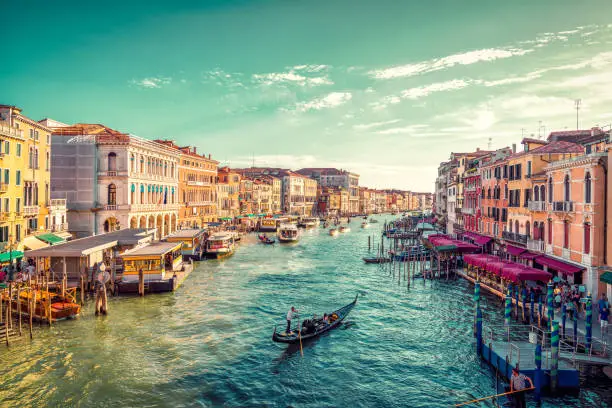
Italy’s tourist hotspots have large numbers of visitors. Be exceptionally careful with your wallet, telephone, passport, and other items in crowded areas, train stations, and public transport. Be mindful of your bag and store important documents in a safe and easily reachable location. Do not bring tons of cash, and it does make sense to create digital copies of vital documents stored in a safe space. When you are actively aware of your surroundings—even in busy areas—then it is just easier to avoid problems and enjoy your trip as you should.
Carry Both Cash and Cards
Mainly at hotels, trusted restaurants, and large retailers. Credit/debit cards are used extensively in Italy. Cash, however, will still work for those small cafes and the antique shops or other tiny businesses. So it is practical to always take a reasonable amount of euros with you when traveling. You need not carry large amounts of cash. You can also check with your bank from now to find things like international transaction fees and foreign usage policies before you travel.
Keep Your Passport Secure
The passport is the single most important document that every traveler needs if they plan on traveling outside of their country. Do not take it out in the streets, with a high risk of damage while you are traveling, and safeguard it in a secure setting. Use it to keep your valuables safe in a hotel safe or suitable storage when available, as long as you’re already familiar with local identification rules. Even though it is not as important to initially know your passport information, it can be easier if you have a photocopy and a safe backup on your device. Keep your travel documents in a secure and easily accessible place, not at the bottom of your luggage.
key point
Passport: The most essential document of International Travel
Please do not take excessive risks regarding your passport for a tour.
Never forget to keep your passport in a secure place.
If the hotel has a safe or secure storage, use that.
Bear local ID requirements in mind too.
A photocopy of your passport in case of any emergencies
Cloud-based digital storage also comes in handy for travel.
Avoid placing travel documents at the bottom of your luggage.
Store papers in a safe place so that you can easily access them.
Respect Religious Dress Codes
In addition to tourism, many churches/religious buildings are tourist attractions. But do keep in mind the dress code for St. Peter’s Basilica and other holy sites. Shoulders and knees should be covered in some places. On the other hand, when you are traveling in summer with light clothes, then you might throw on maybe a scarf or cover-up. Stick to the local rules and traditions of photography and behavior in places of worship.
Keep Your Itinerary Flexible
You do not need to plan your Italy trip on a rigidly set timetable. Now try to save some space for every day. Maybe you feel like lingering for an hour at a lovely plaza or maybe you find it fun to relax while stopping by a local cafe. A flexible plan allows you to adapt in the face of adversity—a train that fails to arrive on time, rain clouds brewing overhead, or popular attractions turning out to be far too crowded. Travel is not meant to cover maximum places; it should be about memories.
Use Maps and Navigation Apps
ItinerarioSoprano: Movement apps are great in the large cities of Italy. Walking routes and trains and buses and hotels and restaurants can all be found with Maps. One helpful thing is to have saved the important places you want to go before your trip. Store the hotel address on your phone so if you end up lost in a neighborhood, you can easily get back to the hotel. Offline maps are also nice to have when there hardly is internet on your phone or if you hit a remote area where mobile data is not available at all.
Check the Weather Before Traveling
Italy has variable seasonal weather based on the region. Before you leave, look up the weather and pack accordingly. Light clothing, sunglasses, and sunscreen can come in handy in the summer. Better off going for layers and comfortable outerwear when the wind picks up in cooler months. Pack an umbrella or light raincoat if there is a chance of rain Having the weather ready to help you alter sightseeing plans comfortably.
Explore Beyond Famous Cities
Discover Small Towns
If time provides, muscle searching will reward you away from Italian cities and deeper engagement with small towns and villages. Tuscany’s hilltowns, coastal towns, and rustic farming villages all offer a more traditional view of Italy.
Experience Local Life
Less busy touristy places and more access to what everyday life feels like. Visiting local markets or traditional cafes and exploring some quiet streets allows you to feel an alternative side of Italy.
Enjoy the Countryside
The Italian countryside is beloved for its scenic views and relaxed environment. For a change of pace from city sightseeing, you can round out your itinerary with a day trip to nature.
Plan extra stops carefully.
However, don’t turbocharge your trip with too many destinations—you’ll just look like you’re being hurried through. Include new destinations only if time is ample and transportation is flagging.
Respect Local Culture
Italy is full of different regions with specific traditions and customs each. Responsible tourism also means respecting local residents, historical structures, and cultural property. Do not encroach into restricted areas, do not vandalize anything that is historic, and obey local laws in public spaces. Just because “nay” will do as a tourist, the same behavior is not going to be right everywhere. A little etiquette in observing and respecting the local culture could go a long way toward making your travel experience meaningful.
Avoid Overpacking Your Schedule
When first-time tourists add a whole bunch of activities. Instead of a relaxing vacation, this makes for an extremely stressful vacation. If you have two or three major attractions for the day, it’s better to let time pass between them. Take travel times, food, hotel check-in, and downtime into account in your daily schedule. An evenly paced travel itinerary challenges you physically and mentally if you want it to, but it also allows you to enjoy your destinations more in the long run.
Consider travel insurance.
So even for the international trips, travel insurance may be one of the best ideas. Depending on the policy, travel insurance is a useful protection against various contingencies. Read the inclusions in the policy—how much for trip cancellation, baggage problems, etc. It also helps to save relevant policy documents on your phone and in a safe place.
Keep Emergency Information Handy
Prepare emergency information prior to traveling. The hotel address, transportation reservations, and even contact details are all available on your phone. Having high-quality, secure digital copies of important documents is also helpful. Another great travel behavior is to send a very simple, rough itinerary to family or some trusted contacts of where you are going. Organized data can allow you to make decisions quickly in an emergency.
Plan your itinerary realistically:
If you are traveling in Italy, pick only a few cities for one trip instead of jumping from one destination to the next. Which can minimize travel fatigue and provide you enough time to explore each destination.
Book important things early:
With some travel seasons busier than others, planning ahead for in-demand attractions, hotels, and restaurants can be practical. That can help address availability problems and avoid needless waiting.
Enjoy the Italian lifestyle.
You are not only visiting the famous sites among the locals while traveling in Italy. Equally significant is the life experience of just living la dolce vita. Drink the local coffee in the morning, walk through historic streets, eat traditional food, and sit in a lovely square by evening time. Italy is the type of country that shows its best face with slow travel. And also just to enjoy some moments without taking a picture of every moment.
Final Thoughts
Italy is one of those countries where you will be a first-time traveler with memories that are definitely going to last a lifetime. From the world-renowned sites of Ancient Rome to Renaissance art and architecture in Florence and the stunning canals of Venice, Italy has something unique to offer every traveler. Detailed planning, comfortable transport options, appropriate accommodation, and a practical itinerary are key to a successful trip to Italy. Advance booking for sightseeing, comfortable footwear, sampling local cuisine, and behavior with belongings. Most of all, keep your trip simple. Exploring Italy: It does not have to be done by seeing every attraction. In addition to the most famous landmarks, set aside some time to explore local streets, cafes, and food styles. Proper preparation will equip you with confidence for your first visit to Italy. By remaining flexible, open-minded, and planning ahead, you will have a comfortable, fun-filled, lifetime memory-making vacation in Italy.
FAQs
Q: The most important thing to prepare for Italy?
Before You Travel to Italy: Plan your itinerary, hotel, transportation, and entry tickets for major attractions. Be prepared as it will save you time and make your trip more comfortable.
Is English understood in Italy?
Most people in big cities, including Rome and Florence as well as Venice (if you tend to live in more touristic areas), will know a bit of basic English. A few Italian words and phrases are also of great benefit.
How to travel around by transport in Italy?
One of the great things about Italy is that trains and buses are really good. Well, they do have high-speed rail between major cities (but within cities, usually public transportation or walking is much more convenient).
Should I carry cash or will a card do in Italy?
Some shops, local markets, and a few cafes require cash, so it’s better to have some. Most hotels, restaurants, and stores accept cards.
How to avoid tourist scams in Italy?
Be aware of your wallet and all your belongings in very touristy areas. Be wary of scam tour guides, counterfeit tickets, and low-price offers.
Firstly, are you going to Italy and looking for packing clothes?
Many places in Italy require walking; therefore, comfortable walking shoes are a must. Dress according to the climate, bring a rain jacket, and wear clothing that fits into holy places.
What is the ultimate traveling tip to enjoy while in Italy?
So instead of trying to do a mega-visit of Italy. Enjoy every city. Dedicating some time to experience local culture, food, and history will help you cherish your trip.